
Case Study: Deep Healing for Mind and Skin — A Holistic Approach to Psoriasis and Depression
When chronic skin disease and emotional distress occur together, looking at the person as a whole can be an important part of compassionate healthcare. At Adiesha Holistic Homoeo Clinic, our approach considers the individual's physical symptoms, emotional experiences, lifestyle, and overall well-being when developing a personalized homoeopathic care plan.
This case study describes the experience of a 26-year-old woman who presented with painful palm and sole psoriasis alongside significant depressive symptoms. The outcomes described below are the clinic's reported observations from this individual case and should not be interpreted as proof that homoeopathy can cure psoriasis or clinical depression.
Patient Profile
Age: 26-year-old female
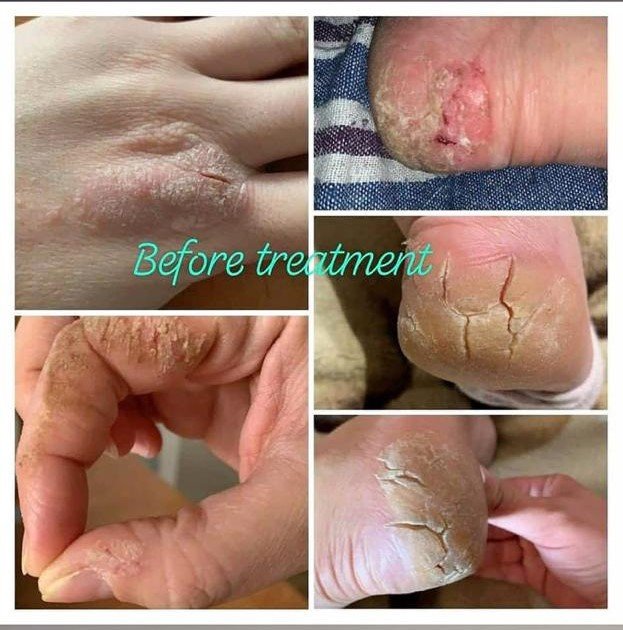
Primary skin concern: Severe, painful palmoplantar psoriasis
Emotional health concern: Significant depressive symptoms reported by the patient
Clinical focus: Understanding the interaction between chronic skin symptoms, emotional well-being, daily functioning, and quality of life
The Clinical Challenge: When Skin Disease Affects Everyday Life
Palmoplantar psoriasis can be particularly disruptive because the affected areas are involved in everyday activities such as walking, standing, gripping, writing, and working. Painful cracks, scaling, inflammation, and skin sensitivity may significantly affect quality of life.
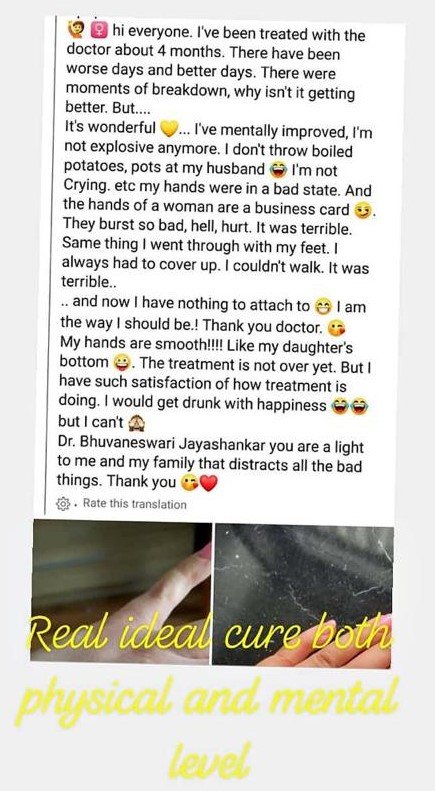
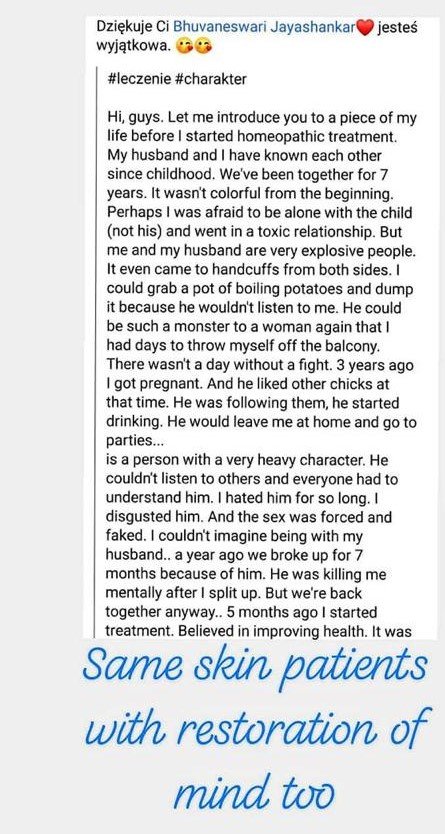
In this case, the physical discomfort was accompanied by substantial emotional distress. The patient described depressive symptoms that affected her emotional balance, confidence, motivation, and everyday life.
Rather than viewing the skin and emotional concerns as completely unrelated, the consultation explored the patient's overall experience. This included the pattern of skin symptoms, emotional state, personal circumstances, general health, and factors that appeared to influence her symptoms.
Important: Depression can be a serious medical condition. Anyone experiencing persistent depression, suicidal thoughts, self-harm thoughts, or a significant decline in daily functioning should seek assessment from a qualified mental-health professional or physician. Homoeopathy should not be used as a replacement for appropriate psychiatric or medical care.
The Holistic Homoeopathic Approach
The clinic used an individualized classical homoeopathic approach. Instead of selecting a treatment solely from the name of the skin condition, the consultation considered the patient's broader symptom picture and individual characteristics.
What Was Considered?
- The location and characteristics of the skin lesions
- Pain, cracking, scaling, and sensitivity
- The patient's emotional and psychological experience
- Changes in symptoms over time
- Factors that appeared to aggravate or relieve symptoms
- General well-being, energy, sleep, and daily functioning
- The patient's individual history and circumstances
The objective was to create a personalized care plan rather than treating the patient as a diagnosis alone.
Understanding the Mind–Skin Connection
The relationship between chronic skin conditions and psychological well-being is an important area of healthcare. Living with a visible or painful skin condition can contribute to stress, embarrassment, social withdrawal, sleep disruption, and reduced quality of life. Conversely, psychological stress may influence how some people experience or manage chronic skin symptoms.
This does not mean that emotional stress is necessarily the "root cause" of psoriasis, nor does it mean that psoriasis is caused by psychological problems. Psoriasis is a complex inflammatory condition involving the immune system and multiple biological and environmental factors.
A holistic consultation therefore aims to understand the whole patient while avoiding the assumption that one factor explains every aspect of a complex condition.
Before Treatment
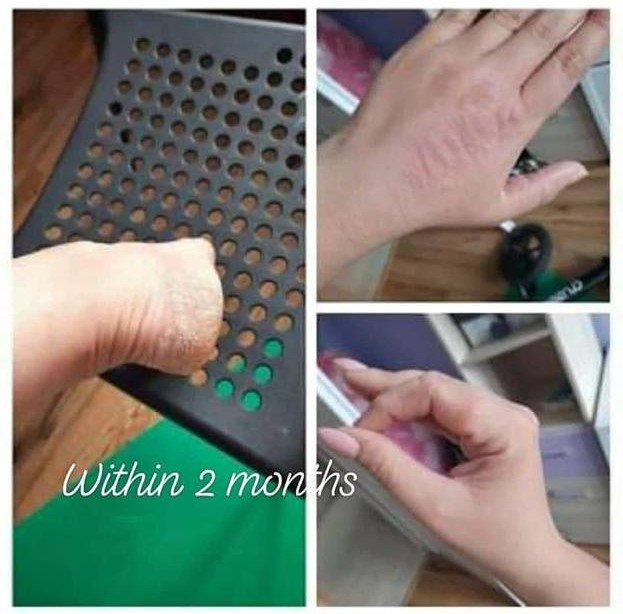
After Treatment
Reported Progress and Recovery Journey
According to the clinic's case records and follow-up observations, noticeable improvement was reported during approximately 2 to 4 months of care.
1. Improvement in Palm and Sole Skin Symptoms
The clinic reported substantial improvement in the patient's painful palmoplantar psoriasis, including reduction of visible skin changes and improvement in skin comfort and function.
2. Improvement in Emotional Well-Being
The patient reportedly experienced improvement in mood, emotional balance, and overall sense of well-being during the follow-up period.
3. Improved Daily Functioning and Vitality
As the reported physical and emotional symptoms improved, the patient also described better day-to-day functioning and a renewed sense of vitality.
Clinical interpretation: This is an individual case report, not a controlled clinical trial. Improvement observed in one patient cannot establish that homoeopathy caused the improvement or that the same outcome will occur in other people.
Before Treatment
After Treatment
What This Case Teaches Us About Chronic Skin Conditions
One of the most important lessons from this case is the value of looking beyond a single symptom. Chronic skin conditions can affect far more than the skin itself. Pain, appearance, sleep, confidence, social interaction, work, and emotional health can all become interconnected parts of a patient's experience.
A patient-centered approach should therefore consider both physical symptoms and quality of life. For some patients, this may include dermatological treatment, psychological support, lifestyle measures, stress management, and complementary approaches alongside appropriate medical care.
Why Individualized Care Matters
Every patient with psoriasis has a different symptom pattern, medical history, treatment response, and set of personal circumstances. A responsible healthcare approach should therefore avoid one-size-fits-all promises and instead focus on careful assessment, appropriate diagnosis, ongoing monitoring, and shared decision-making.
What Does the Evidence Say About Homoeopathy?
Homoeopathy is a complementary healthcare system based on principles such as individualized remedy selection and the concept of "like cures like." However, evidence for homoeopathy's effectiveness for specific medical conditions remains limited and controversial, and high-quality evidence has not established it as a proven treatment for psoriasis or clinical depression.
For this reason, individual case experiences should be presented as observations rather than guarantees of treatment effectiveness. Patients should discuss treatment choices with qualified healthcare professionals, particularly when dealing with chronic inflammatory disease or mental-health conditions.
A Responsible Approach to Holistic Healthcare
Holistic care should complement—not undermine—evidence-based healthcare. Patients with psoriasis may benefit from assessment by a dermatologist, while people experiencing depression should receive appropriate evaluation and support from qualified mental-health or medical professionals.
- Do not stop prescribed medication without consulting your healthcare professional.
- Seek medical assessment for persistent, severe, or rapidly changing skin symptoms.
- Seek professional mental-health support for persistent or severe depressive symptoms.
- Discuss complementary therapies openly with your healthcare team.
- Be cautious of anyone promising a guaranteed or permanent cure.
- Track symptoms and treatment responses objectively during follow-up.
Conclusion: Seeing the Person Behind the Symptoms
This case illustrates why chronic healthcare should consider the person behind the diagnosis. Painful psoriasis can affect confidence, mobility, work, relationships, and emotional well-being. Similarly, depression can influence how a person experiences and manages a chronic physical condition.
At Adiesha Holistic Homoeo Clinic, our philosophy is to understand each patient's individual experience and provide personalized, compassionate care. This case represents one patient's reported journey and demonstrates the importance of looking at physical symptoms and emotional well-being together.
Healing should be approached with compassion, evidence, appropriate medical supervision, and realistic expectations.
Frequently Asked Questions
Can homoeopathy cure psoriasis permanently?
There is currently insufficient high-quality scientific evidence to conclude that homoeopathy permanently cures psoriasis. Psoriasis is a chronic condition that should be appropriately diagnosed and monitored by qualified healthcare professionals.
Can psoriasis affect mental health?
Yes. Chronic skin disease can affect quality of life and may be associated with emotional distress, anxiety, depression, sleep problems, and social difficulties. Anyone experiencing significant psychological symptoms should seek appropriate professional support.
Can depression be treated with homoeopathy alone?
Homoeopathy should not be considered a replacement for evidence-based assessment and treatment of clinical depression. People experiencing significant depressive symptoms should consult a qualified healthcare professional.
Is this case proof that homoeopathy works for psoriasis and depression?
No. A single case report can describe an individual experience, but it cannot establish cause and effect or predict how other patients will respond.
What should someone with psoriasis and depression do?
A comprehensive approach may involve appropriate dermatological assessment, mental-health support, lifestyle and stress-management strategies, and discussion of complementary therapies with qualified healthcare professionals.
Looking for Personalized Holistic Care?
If you are living with a chronic skin condition or are concerned about your overall well-being, consider seeking a professional evaluation. At Adiesha Holistic Homoeo Clinic, consultations focus on understanding the individual's complete health experience and developing a personalized care approach.
Disclaimer: The information on this page is educational and should not be considered a diagnosis, medical advice, or a substitute for treatment from a qualified healthcare professional.
Add new comment